When I started my decluttering journey, I assumed that it would be about simply moving possessions from A to B. I was so wrong… This process is about much more than organizing physical spaces – for lasting and sustainable success with decluttering, you need to get under the skin of your relationship with clutter.
I was inspired to write this post after reading a quote about clutter that really rang true for me. The quote was along the lines of “Each item of clutter is a decision you haven’t yet made about what to do with that item”.
For someone considers themself to be very decisive, this was real eye opener. Despite several successful home decluttering projects each year, it still doesn’t come naturally to me and I frequently find myself flummoxed when trying to deal with the day-to-day clutter that can build up. I had not considered that indecisiveness could be part of the cause, but when it was suggested to me, it seemed kind of obvious!
So it became clear that I needed to focus on understanding the psychology of decluttering BEFORE beginning, by asking myself these 5 questions. I hope you find they help you too.
As an affiliate partner of certain brands, zenzify may earn commission on qualifying purchases. Disclaimer
5 Helpful Questions to Ask Yourself When Decluttering
1 Why do I want to declutter?

Reflect on the underlying motivations behind your declutter intentions – we all have our own reasons. You may find you can identify with my three main drivers:
(1) Physical space constraints: my family and I live in an old house (Victorian) in the United Kingdom and storage space is limited. Other than moving to a bigger home, the best solution seems to be to keep our possessions at a minimal level.
(2) Sense of calm from order: I am hugely affected by visual clutter, I feel much lighter, mentally, when the surfaces and other spaces around me are clear. A clutter free work environment is particularly important for productivity, if you work at home, you’ll know what I mean.
(3) Busy lifestyle: put quite simply, being surrounded by less stuff makes getting things done a more easeful experience, which is vital if you have lots to do!
Perhaps, one (or all) of these reasons for decluttering strikes a chord with you?
Other motivations could be that it’s much easier to clean your home with less stuff, and decluttering can also contribute to a more sustainable lifestyle if you rehome unwanted possessions in a thoughtful way. You could even benefit from a financial boost if you sell items you no longer want or need.
Spending some time to identify your drivers is essential before beginning a decluttering project. If you can understand your why, you can create a strong narrative around your motivation for decluttering and that will keep you focused throughout what can often be a lengthy process.
2 What does clutter represent to me?
For some people, clutter can carry a lot of emotional weight, reminding them of past experiences, or even unmet aspirations. Ask yourself what clutter means to you and consider whether letting go of physical items might be beneficial for your emotional well-being.
Now, whenever I look at an item of clutter, I often think of my unmade decision rather than the thing itself. To an extent, that is helpful because it allows me to disassociate emotionally and just focus on making the decision.
Guilt is a key emotion for many people and can be felt two-fold. We feel bad that we bought an item – particularly, if it was expensive – so then we hold onto it so we don’t have to feel guilty again about getting rid of it. In fact, letting go of the item now would probably be a more effective way to forget about it, keeping it just serves as a reminder of the mistake!
The irony is that often we hold onto things because we think that they may end up being useful, but their ongoing presence in our lives – and the physical and mental space they take up – causes them to be the opposite of useful.
3 How do I envision my ideal living space?
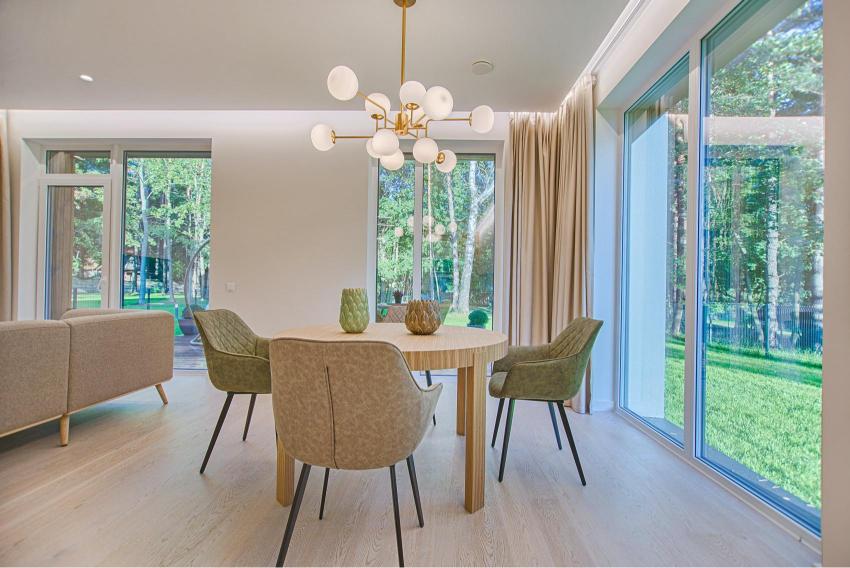
Visualization is a powerful tool, if you’re new to it, check out this article about visualization techniques on Positive Psychology.
By imagining your ideal living space’s aesthetics, functionality, and overall ambiance you can use this as motivation for decluttering and work towards creating a home that reflects those ideals.
Start by imagining how your ideal living space looks. Is it spacious or compact? Is the layout open?
Is there visible or concealed storage? Is the purpose of the room, and the elements in it, clear?
If you were sitting in that space now, how would it make you feel? Is it an environment that promotes ease, productivity, relaxation?
Creating a functional clutter free living environment which is easy to maintain, involves some thought around organization and storage, particularly if you have a family!
4 How can I let go of sentimental items?
Sentimental items can be tricky to deal with when decluttering. Ask yourself if you can honor the memories associated with these items without needing to physically hold onto them. Two possible solutions that have worked for me are:
Taking photos: take photographs of the items before letting them go, if it’s an item of clothing that you used to wear which no longer fits then see if you can dig out any old photos of you wearing it. This way, you can still revisit the memories without the physical clutter.
Creating a memory box: select a small box and designate it as a space for your most cherished sentimental items. This way, you can keep a curated collection without it taking up too much space. This wooden keepsake box from Blake & Lake is beautiful.
5 What is my relationship with consumerism?

Reflect on your purchasing habits and question whether they align with your values. Assess whether you acquire things out of genuine necessity or if consumerism has become a coping mechanism.
Like most people, I am deeply influenced by marketing. When I was made redundant a few years ago, I stopped spending unnecessarily every day for a couple of months. It became clear quite quickly that I didn’t really need the things I was buying. I also felt less stressed by not being on Amazon, eBay, etc constantly – just checking the status of my purchases and bids was like another job!
Remember that to maintain a clutter-free lifestyle in the long run, you may need to establish habits that support a more minimalistic lifestyle, so understanding your relationship with consumerism is crucial. Ask yourself what organizational systems, routines, or mindset shifts you can adopt to avoid over-shopping and prevent clutter from accumulating again.
Final Thoughts
Decluttering is not a one-size-fits-all endeavor. The answers to these 5 questions to ask yourself when decluttering will, hopefully, guide you towards a strategy that aligns with your goals which you can implement before you begin. Whether you’re seeking simplicity, creating space for new opportunities, or aiming to enhance your overall quality of life, they will keep you focused and purposeful throughout the decluttering process.
Thanks for reading, I hope you enjoyed this post about questions to ask yourself when decluttering. Feel free to pin and share this article, and come back soon to discover the latest posts!