
As the seasons shift and the days grow shorter, many people, including myself, find themselves battling with Seasonal Affective Disorder (SAD). Sufferers tend to experience this condition, which can be characterized by a variety of symptoms, during fall and winter.
What is SAD?
SAD is a form of depression that follows a seasonal pattern. It is most prevalent in the colder months, but some people do experience SAD during spring and summer, albeit less commonly. For me, it usually starts around late September and, if, I follow these Seasonal Affective Disorder self-care tips and I am lucky, it eases by the end of November or the beginning of December. Reduced sunlight in fall and winter is thought to be the cause – that can affect our circadian rhythms, disrupting the body’s internal clock and it can lead to lower levels of serotonin and melatonin, which can impact our mood.
Studies show that women are the greatest sufferers of SAD. They are much more likely to experience seasonal variations in depressive symptoms than men so these tips for Seasonal Affective Disorder self-care may be of more interest to women in that respect.
Signs and symptoms
The classic signs of SAD are listed further below, but my experience seems quite unusual in that my overriding symptoms are confusion and difficulty in thinking clearly and understanding complex ideas (which can be tricky to manage at work!). This inability to function normally, cognitively, makes me feel extremely frustrated and, sometimes, hopeless.
People talk about the “winter blues” and, of course, everyone is different, but without putting in place my coping strategy for Seasonal Affective Disorder self-care which is described further below, fall and winter is a time where I see a complete shift in my mental landscape and my cognitive behavior.
Here are the typical signs of SAD:
• Low mood: persistent feelings of sadness, hopelessness, or irritability
• Lethargy: a lack of energy or increased fatigue, even with sufficient sleep
• Changes in sleep patterns: sleeping more than usual (hypersomnia) or experiencing insomnia
• Appetite changes: cravings for carbohydrates, weight gain, or loss
• Social withdrawal: difficulty in social interactions / activities and a tendency to isolate oneself
• Difficulty concentrating: reduced focus and productivity
As an affiliate partner of certain brands, zenzify may earn commission on qualifying purchases. Disclaimer
10 Essential Tips for Seasonal Affective Disorder Self-Care
My tips are based solely on my personal experience and result from a long process of looking for ways to ease the symptoms of SAD. If you suffer severe symptoms, please note that none of my suggestions are intended to be a replacement for professional medical treatment, consulting with a healthcare professional may be an important part of your treatment plan.
Firstly, I have described my coping strategy for Seasonal Affective Disorder self-care which is essentially a routine I follow during the SAD prone months that helps to reduce/diminish the symptoms I experience. Secondly, I have shared the SAD survival self-care tips, which are the things that improve my wellbeing so that I am better equipped to deal with SAD, generally.
My Coping Strategy for Seasonal Affective Disorder Self-Care
I have a particular routine that I follow every year to alleviate the effects of SAD, it begins at the start of September. If I do everything (that is not always easy, as life gets in the way!) then I will usually have extremely mild symptoms and, sometimes, my SAD is not noticeable at all.
I feel very fortunate to be able to rely on this strategy as it has enabled me to avoid taking medication to treat my SAD – however, if it stopped working, I would not hesitate to consider medical treatment. Obviously, everyone is different, and it may be that I am lucky to have a milder form of SAD, but I want to share my routine for Seasonal Affective Disorder self-care in case it works for you too (I hope it will do).
1. High Dose Vitamin D
As well as my usual multivitamin and echinacea, I take this vitamin D spray from the beginning of September until the end of December. It is much easier than taking tablets or incorporating more vitamin D-rich foods into your diet (which we would all benefit from doing at this time of year) and this one is vegan and tastes good too. Each spray contains 1000 IU, I take a spray or two at least once a day, sometimes twice a day – obviously, do make sure you use it in accordance with the instructions which, amongst other things, say to consult your healthcare practitioner before use.
2. Spend Time Outdoors
No matter how cold and blustery it is, spending as much time as possible outside from the end of October is an essential part of my Seasonal Affective Disorder self-care routine. I take the view that any extra natural daylight is a plus, particularly as my desk both at home and in the office does not get much light (hence using the lightbox I mention below). So whether it is a quick walk in the neighborhood or spending 10 minutes doing a spot of gardening, take every opportunity to be outside during daylight hours.
3. Step Up Your Exercise
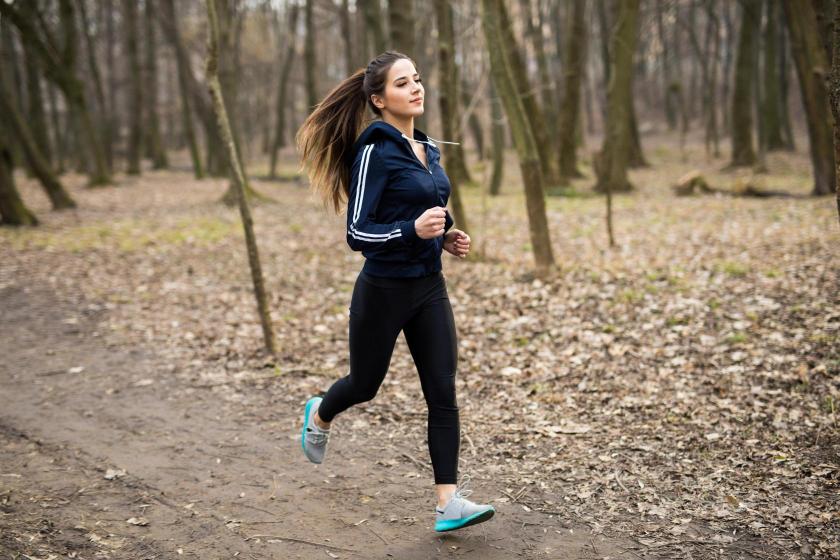
I exercise fairly regularly all year round, but I try to increase my sessions from 3 to 5 per week from the beginning of October and continue like that until January. Intense cardio-vascular training, in the gym or running / HIIT, outdoors, is most effective – and even a 10 minute burst will work for me. Even if I do not feel like working out when I begin, I can usually feel the benefit at the end, which makes it all worthwhile!
4. Take a Vacation
If it is an option for you, then take a break somewhere sunny at the end of October. I have found introducing a vacation into my Seasonal Affective Disorder self-care routine and spending 7 to 10 days in a country that gets more sunlight hours at that time of year than the UK, where I live, is a game changer. It gives me a boost that delays the symptoms of SAD until November – I guess that is because, as well as getting the exposure to the sun, I am really looking forward to it in September when I would otherwise begin to struggle.
5. Desk Lightbox
I use a lightbox, which works by mimicking natural sunlight, from the beginning of November until end of February. This is such an easy thing to do, I have mine right next to my computer screen (just off camera for video calls), so for me this is a no brainer. I am currently using a lightbox very similar to this one. It is reasonably priced, slimline, lightweight and portable, and easy to use as it does not have multiple light settings.
6. Sunlight Therapy Room
If, despite using the above strategies for Seasonal Affective Disorder self-care or if I have missed some steps out, I am still struggling at the end of November then I book a session in a local sunlight therapy room. This treatment is available at spas (more common in the UK than elsewhere) and involves sunlight simulators that recreate the same spectrum of light as the sun, but without the harmful UVA and UVB rays.
SAD Survival Self-care Tips
Below are some further tips for self care that have helped me to survive SAD by improving my well-being generally.
7. Healthy Diet
Eating foods rich in protein and vitamins A, C and D affects your mood positively (according to this study of the connection between nutrition and mood) as these nutrients help our brains and body function optimally. It can be challenging to stick to nutritious choices at this time of year – my natural inclination is to eat more carbohydrate-heavy foods, so I set myself the goal of eating five vegetables or fruits every day, but I am not too hard on myself when I do not manage it.
8. Practice Yoga
I have found that practicing yoga is an important part of Seasonal Affective Disorder self-care, it brings many benefits: mood enhancement, lowering stress, improved sleep and mindfulness. Consistency is key to experiencing these benefits so I try to make a couple of classes each week during fall and winter. I have found that the dynamic and high energy styles, such as vinyasa flow, work best for me because they get my heart rate up.
9. Go For a Massage
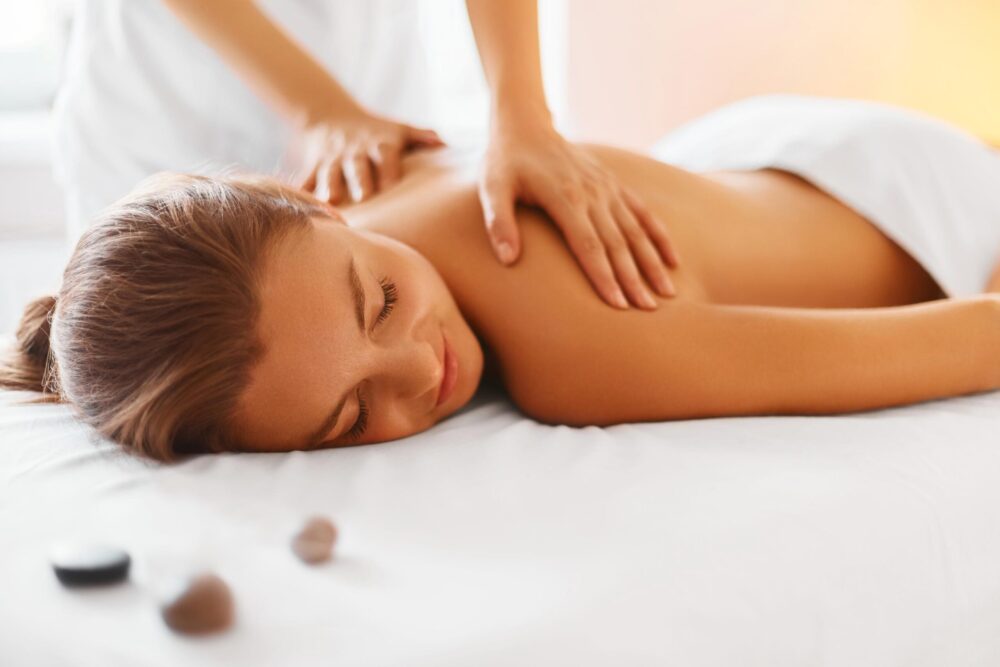
The contrast between the chilly weather outside and the warm, relaxing environment of a treatment room makes going for a massage even more enjoyable and rejuvenating during the winter months. So, escape the cold and indulge in a warm, nurturing experience, you deserve it! Two of the main effects that I notice during and afterwards are release of endorphins and boosted circulation which is just what you need when you are battling SAD.
10. Reach Out to People
Keeping up connections with friends and family is key during the SAD prone months, even though that is when being sociable is often toughest. Staying involved with your social circle and doing regular activities that you would do during spring and summer will help you to avoid feelings of isolation or loneliness.
Final Thoughts
SAD is a significant challenge for many individuals, but it is important to remember that effective coping strategies exist to help you prioritize Seasonal Affective Disorder self-care. My journey with SAD has been one of self-discovery, resilience, and an ongoing commitment to nurturing my mental well-being, especially when the seasons change and the world seems a bit dimmer.
Thanks for reading, I hope you enjoyed this piece about Seasonal Affective Disorder self-care. Feel free to pin and share this article, and come back soon to discover the latest posts!